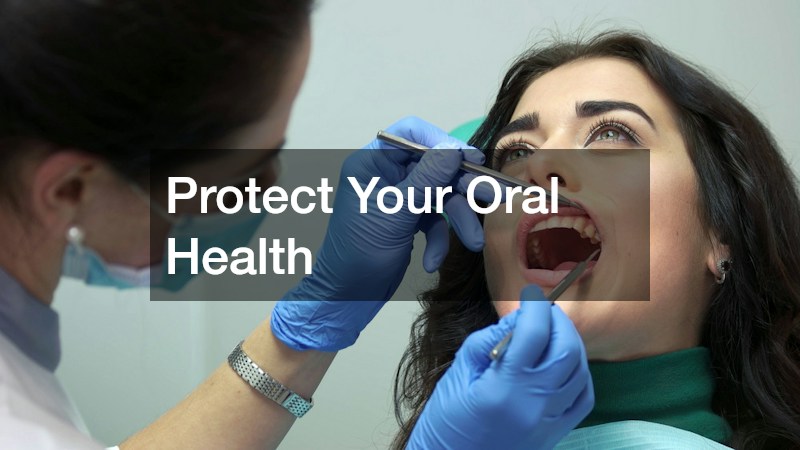
Protect Your Oral Health With a Comprehensive Approach to Everyday Wellness
Maintaining a healthy smile involves more than brushing your teeth and visiting a dental office twice a year. Oral health is closely connected to many aspects of everyday wellness, including nutrition, sleep, stress management, and general health. Taking a comprehensive approach to personal care can help protect your teeth and gums while supporting your overall quality of life. By developing consistent habits and working with healthcare providers, you can build a wellness routine that benefits your entire body.
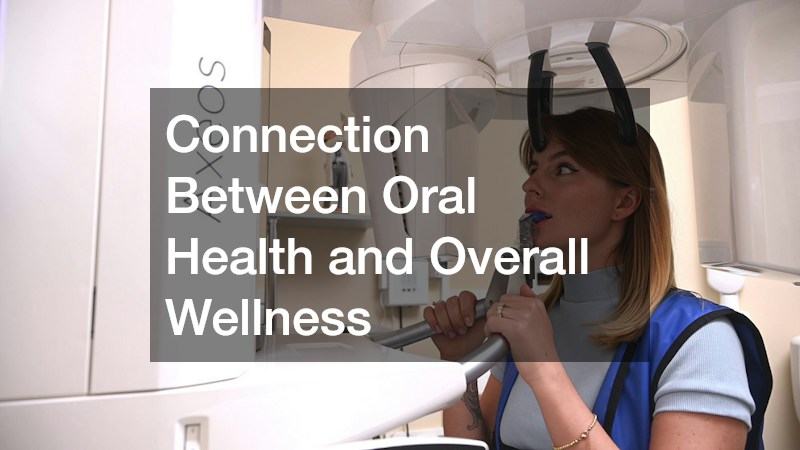
Understand the Connection Between Oral Health and Overall Wellness
Your mouth plays an important role in your overall health. It’s responsible for essential daily activities such as eating, speaking, and breathing, while also serving as an indicator of potential health concerns. Changes in your gums, teeth, and oral tissues can sometimes provide early signs of problems that deserve additional attention. This makes consistent oral care with dentists an important part of maintaining general wellness.
Inflammation in the mouth, particularly when associated with gum disease, can affect more than your smile. Research has identified associations between periodontal disease and several systemic health conditions, including cardiovascular disease and diabetes. Although these relationships don’t mean that gum disease directly causes every associated condition, they demonstrate why maintaining healthy gums is important.
Build a Consistent Daily Oral Hygiene Routine
Good oral hygiene starts with simple habits practiced consistently. Brushing twice daily with fluoride toothpaste helps remove plaque, food particles, and bacteria that accumulate on tooth surfaces. Using a soft-bristled toothbrush and gentle circular movements can clean effectively without unnecessarily irritating the gums. Pay attention to every surface of each tooth, including the areas along the gumline and the difficult-to-reach teeth toward the back of the mouth.
Flossing is equally important because a toothbrush cannot effectively clean every space between the teeth. Dental floss helps remove debris and plaque from these narrow areas, reducing the conditions that contribute to cavities and gum inflammation. Individuals who have difficulty using traditional floss may benefit from alternatives such as floss picks or interdental brushes. The most effective option is one that allows you to clean between your teeth thoroughly and consistently.
Cleaning your tongue can also improve your oral hygiene routine. Bacteria and food debris can collect on its surface, contributing to unpleasant breath. A tongue scraper or toothbrush can gently remove this buildup. Additionally, replacing your toothbrush every three to four months, or sooner when the bristles become worn, helps maintain effective cleaning.
Schedule Regular Professional Dental Care
Even individuals with excellent home hygiene habits need professional dental care. Routine examinations give providers an opportunity to evaluate the condition of the teeth, gums, and surrounding oral structures. These appointments can reveal concerns that may not cause noticeable symptoms during their early stages, including developing cavities, gum inflammation, and changes in existing dental work.
Professional cleanings are another essential part of preventive care. Plaque that remains on the teeth can harden into tartar, which cannot be completely removed through ordinary brushing and flossing. Depending on individual needs, a provider may recommend deep cleaning to address buildup beneath the gumline and treat certain forms of periodontal disease. This procedure, often called scaling and root planing, removes deposits from tooth surfaces and smooths the roots to support gum healing.
The frequency of professional visits depends on a person’s oral health history, risk factors, and current condition. While many people benefit from examinations and cleanings approximately every six months, individuals with certain dental concerns may require more frequent appointments. Following an appropriate schedule helps maintain healthier teeth and gums over time.

Support a Healthy Smile Through Balanced Nutrition
Nutrition has a significant influence on the health of your teeth and gums. The foods and beverages you consume provide nutrients that support tooth structure, gum tissue, and the body’s ability to maintain healthy oral tissues. A balanced diet that includes fruits, vegetables, lean proteins, whole grains, and calcium-rich foods can contribute to better oral and general wellness.
Calcium and vitamin D are particularly important for maintaining strong bones and supporting the structures that hold teeth in place. Dairy products, fortified alternatives, leafy greens, and certain fish can contribute to calcium intake. Vitamin D helps the body absorb calcium and can be obtained through selected foods and appropriate sunlight exposure. Other nutrients, including vitamin C, support healthy gum tissue and normal tissue repair.
Limiting frequent consumption of sugary foods and drinks is another important consideration. Oral bacteria use sugars to produce acids that weaken tooth enamel and increase the risk of cavities. Regularly sipping sweetened beverages or snacking on sugary foods throughout the day can expose teeth to repeated acid attacks. Choosing water more often and keeping sweet treats occasional can help reduce this exposure.
Recognize the Importance of Preventive and Cosmetic Treatments
Preventive dental care focuses on maintaining healthy teeth and gums, but certain treatments can also address aesthetic concerns that affect confidence. Tooth discoloration, uneven edges, worn enamel, and gaps may influence how people feel about their smiles. Understanding the difference between preventive and cosmetic services helps individuals make informed decisions about their care.
For example, teeth whitening can address certain types of discoloration caused by aging, beverages, foods, and other everyday factors. Professional whitening options are designed to brighten natural tooth enamel, although results depend on the original shade and the type of staining present. Before pursuing whitening, it is important to have an examination to identify potential cavities, gum problems, or other concerns that could affect treatment suitability.
Other cosmetic options may include dental bonding, veneers, and tooth-colored restorations. These services can address different aesthetic concerns, but they are not interchangeable. The appropriate treatment depends on the condition of the teeth, the desired outcome, and the individual’s oral health needs. A cosmetic dentist can explain available procedures, discuss expected results, and help patients understand the advantages and limitations of different approaches.
Make Oral Health a Priority for Every Family Member
Healthy dental habits are important at every stage of life. Children, teenagers, adults, and older individuals all have different oral health needs, making age-appropriate care an important consideration for families. Establishing healthy routines early can help children develop habits that continue into adulthood, while regular appointments allow family dentists to recognize developmental concerns and recommend appropriate preventive services.
Children should begin receiving dental care early, ideally by their first birthday or when their first tooth appears. Parents can help by cleaning young children’s teeth, supervising brushing, and limiting sugary snacks and drinks. As children grow, appointments with family dentists provide opportunities to discuss cavity prevention, fluoride treatments, sealants, and changes associated with developing permanent teeth.
Teenagers may face additional challenges, including orthodontic treatment, sports-related dental injuries, and changing dietary habits. Wearing a properly fitted mouthguard during contact sports can help protect teeth from accidental damage. Maintaining consistent brushing and flossing habits is particularly important for individuals wearing braces or other orthodontic appliances.

Address Stress, Sleep, and Habits That Affect Your Teeth
Everyday lifestyle choices can influence oral health in ways that are not always immediately noticeable. Stress, inadequate sleep, and certain habits may contribute to dental discomfort or increase the risk of damage. Recognizing these connections can help individuals make adjustments that support healthier teeth and gums.
One common concern is bruxism, which involves grinding or clenching the teeth. Some people experience this behavior during sleep, while others clench their jaws during stressful situations. Over time, excessive pressure can contribute to worn enamel, chipped teeth, jaw discomfort, and headaches. A dental examination can help identify signs of grinding, and a provider may recommend a custom night guard when appropriate.
Sleep quality also matters because inadequate rest can affect overall health and daily habits. Individuals who regularly experience poor sleep may find it more difficult to maintain consistent self-care routines. Certain sleep-related breathing concerns can also contribute to dry mouth, which may increase the risk of dental problems.
Consider How Jaw, Neck, and Body Comfort Interact
Oral health does not exist separately from the rest of the musculoskeletal system. The jaw, facial muscles, neck, and shoulders work together during activities such as chewing, speaking, and maintaining posture. When one area experiences tension or discomfort, nearby muscles may also become affected. This does not mean that every neck or shoulder problem originates in the mouth, but understanding the connections can help individuals recognize when additional evaluation may be useful.
Temporomandibular disorders, commonly referred to as TMD, involve problems affecting the jaw joints and surrounding muscles. Symptoms can include jaw soreness, clicking, limited movement, facial discomfort, and headaches. Some individuals also report discomfort extending into the neck or shoulders. These symptoms can have several possible causes, so an appropriate evaluation is important before selecting treatment.
When neck discomfort occurs alongside jaw tension, a neck pain chiropractor may be one of several healthcare providers an individual considers for musculoskeletal evaluation. However, persistent jaw pain, changes in the bite, or difficulty opening the mouth should also be discussed with a dental professional. Coordinated care can help distinguish dental concerns from other musculoskeletal conditions.
Coordinate Dental Care With Your Broader Healthcare Routine
Comprehensive wellness involves communication between different healthcare providers. Your oral health history, medications, existing conditions, and lifestyle habits may all influence the recommendations you receive. Sharing relevant information during appointments helps providers understand your needs and identify potential concerns that deserve further attention.
For example, diabetes can affect gum health, while advanced gum disease may make blood glucose management more challenging for some individuals. People living with diabetes should pay particular attention to regular dental examinations and consistent oral hygiene. Similarly, certain medications can contribute to dry mouth, altered taste, or changes in gum tissue. Discussing these effects allows providers to recommend appropriate strategies for protecting oral health.
A local doctor can help evaluate general health concerns that may influence the mouth, including persistent fatigue, nutritional deficiencies, chronic conditions, or unexplained physical symptoms. Dentists can also identify oral changes that may warrant medical evaluation. When healthcare professionals communicate effectively, patients are better positioned to receive coordinated recommendations that address their overall needs.

Understand Hormonal Changes and Their Potential Effects on Oral Health
Hormonal changes throughout life can influence different areas of the body, including the mouth. Fluctuations associated with puberty, pregnancy, menstruation, and menopause may affect gum sensitivity, inflammation, and saliva production. Some individuals notice that their gums become more reactive during certain stages of life, while others experience increased dryness or changes in oral comfort.
Menopause is particularly relevant because declining estrogen levels may contribute to changes in oral tissues and saliva production. Dry mouth can make speaking, chewing, and swallowing less comfortable while also increasing the risk of tooth decay. Some individuals may experience burning sensations, changes in taste, or greater sensitivity. Regular dental examinations can help identify these concerns and determine whether additional care is needed.
People exploring treatments such as hormone replacement should discuss potential benefits, risks, and side effects with a qualified medical provider. Hormone therapy decisions depend on individual medical histories and treatment goals. While hormonal treatments may be appropriate for certain symptoms, they should not be viewed as a substitute for preventive dental care.
Evaluate Wellness and Aesthetic Services Carefully
Modern wellness options often extend beyond traditional healthcare appointments. Individuals may explore services intended to support relaxation, skin appearance, and personal confidence as part of a broader self-care routine. While these services can complement certain wellness goals, it is important to understand what they can and cannot accomplish.
For example, medical spas may offer services such as skin treatments, aesthetic procedures, and other wellness-related options under the supervision of appropriately qualified healthcare professionals. These services may support personal appearance or address specific cosmetic concerns, but they do not replace dental examinations, periodontal treatment, or other necessary healthcare services.
When considering any aesthetic procedure, individuals should research provider qualifications, understand potential risks, and ask questions about expected results. Services involving medications, injections, or medical equipment should be performed by appropriately licensed professionals operating within their authorized scope of practice. Clear communication about existing health conditions and medications is also important.
Ultimately, a healthy smile reflects more than good dental hygiene. It’s supported by balanced nutrition, restorative sleep, stress management, preventive healthcare, and informed treatment decisions. By viewing oral care as an essential part of everyday wellness, you can protect your teeth and gums while supporting a healthier lifestyle for years to come.


